Brussels Travel Tips: Airport and Midi, STIB Tickets, Languages and Closing Days
Brussels travel tips: the airport train, tapping a bank card on STIB, whether the Brussels Card pays off, French and Dutch signs, tipping, and which museums close on Monday.
The short answer. Take the train in from the airport and tap a contactless bank card on the metro, tram and bus. Expect every station to have a French name and a Dutch one, so read both. Roam Brussels read 17 guides in English, French, Spanish and German for this page. The airport train is the most common tip (10 of 17), followed by watching your pockets (9) and the fact that every sign is bilingual (9). Fares, prices and opening days below come from the operators’ own pages, and the guides only decided what to cover.
Roam Brussels is a data platform as well as a guide, so the counts in each section come from a research file and the facts come from official pages. For the weather, there’s a separate page on Brussels weather by month. Once you know your dates, the events listings, live music and the map show what’s on, and things to do in Brussels covers the sights.
The short list
| Tip | Guides naming it (of 17) |
|---|---|
| Take the train from Brussels Airport | 10 |
| Watch for pickpockets in crowds and stations | 9 |
| Expect French and Dutch on every sign | 9 |
| English works, but start with a greeting | 8 |
| Walk the compact centre | 8 |
| Check which airport your flight uses | 7 |
| Carry rain gear in any season | 6 |
| Tap a bank card on STIB | 6 |
| Know the three main stations and their two names | 5 |
| Take care around Midi and Nord, especially late | 5 |
| Tip lightly, if at all | 5 |
| Cards work almost everywhere, carry a little cash | 4 |
| Keep coins for toilet attendants | 4 |
| Skip museums on Monday | 3 |
The Brussels Card is named by 10 guides and is covered in its own section, because they disagree on whether it pays off.
From the airport and into the stations
The airport train is recommended by 10 of 17 guides read, and checking which airport you booked by 7.
Brussels Airport is in Zaventem, and visit.brussels says the city centre is about twenty minutes away. Ten guides say the train is the way to go, and they name Brussels-Central, Brussels-Midi and Brussels-Nord as the stops. Most put the ride at around 20 minutes. The airport train belongs to the national railway, SNCB, so a STIB ticket doesn’t cover it, and the Brussels Card doesn’t either. The card’s own FAQ says so plainly. SNCB’s pages were closed to this research, so the fare and the airport supplement aren’t quoted here. You’ll want to check them on SNCB’s site before you travel.
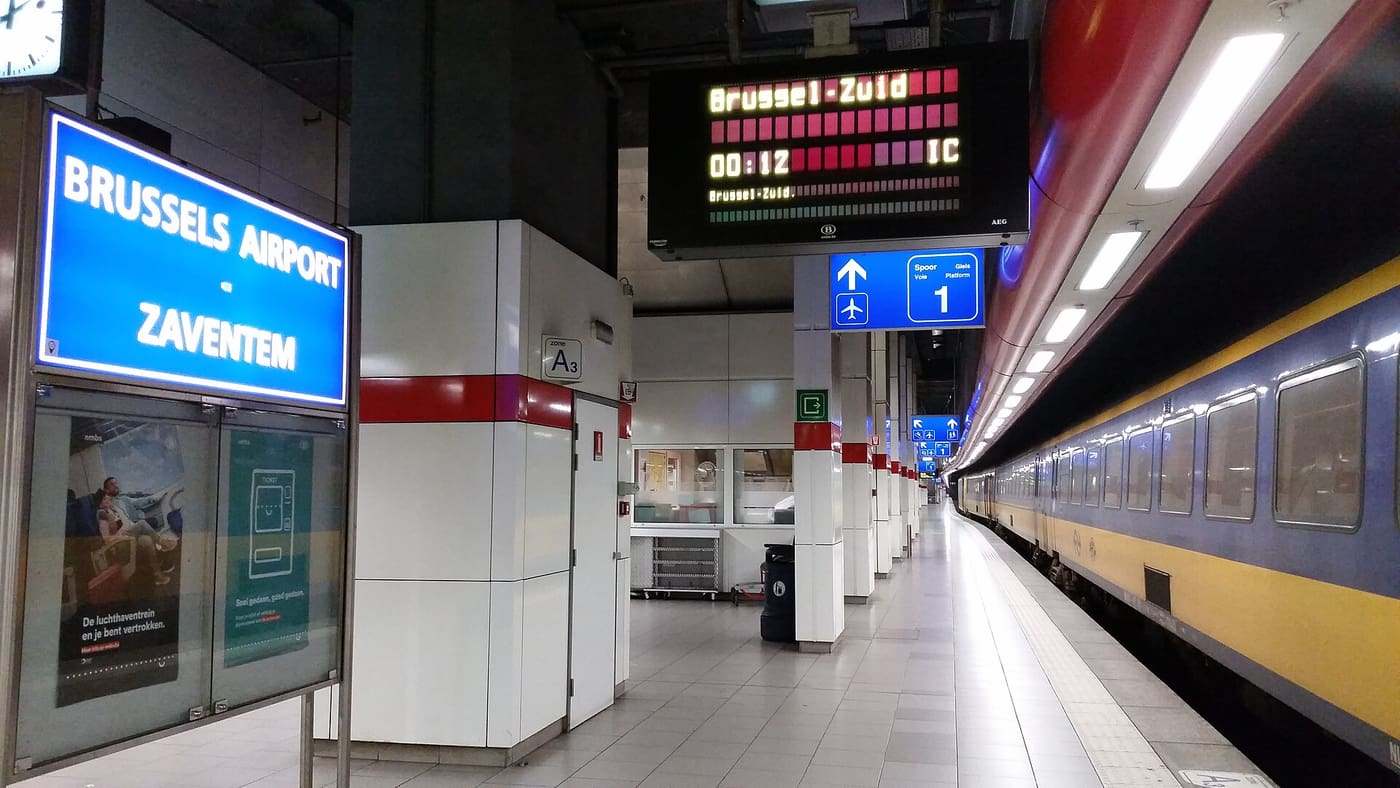
STIB runs a bus option too. STIB says that if you pay by bank card on the bus from the airport, the Airport2City fare of €7.90 is charged automatically. The Brussels Card’s transport add-on includes the bus 12 line to the airport.
Seven guides warn that two airports use the Brussels name. Brussels Airport is BRU. Brussels South Charleroi is CRL, a long way south of the city, and its low-cost flights need a shuttle bus or a bus and train. Look at the code on your booking before you set off.
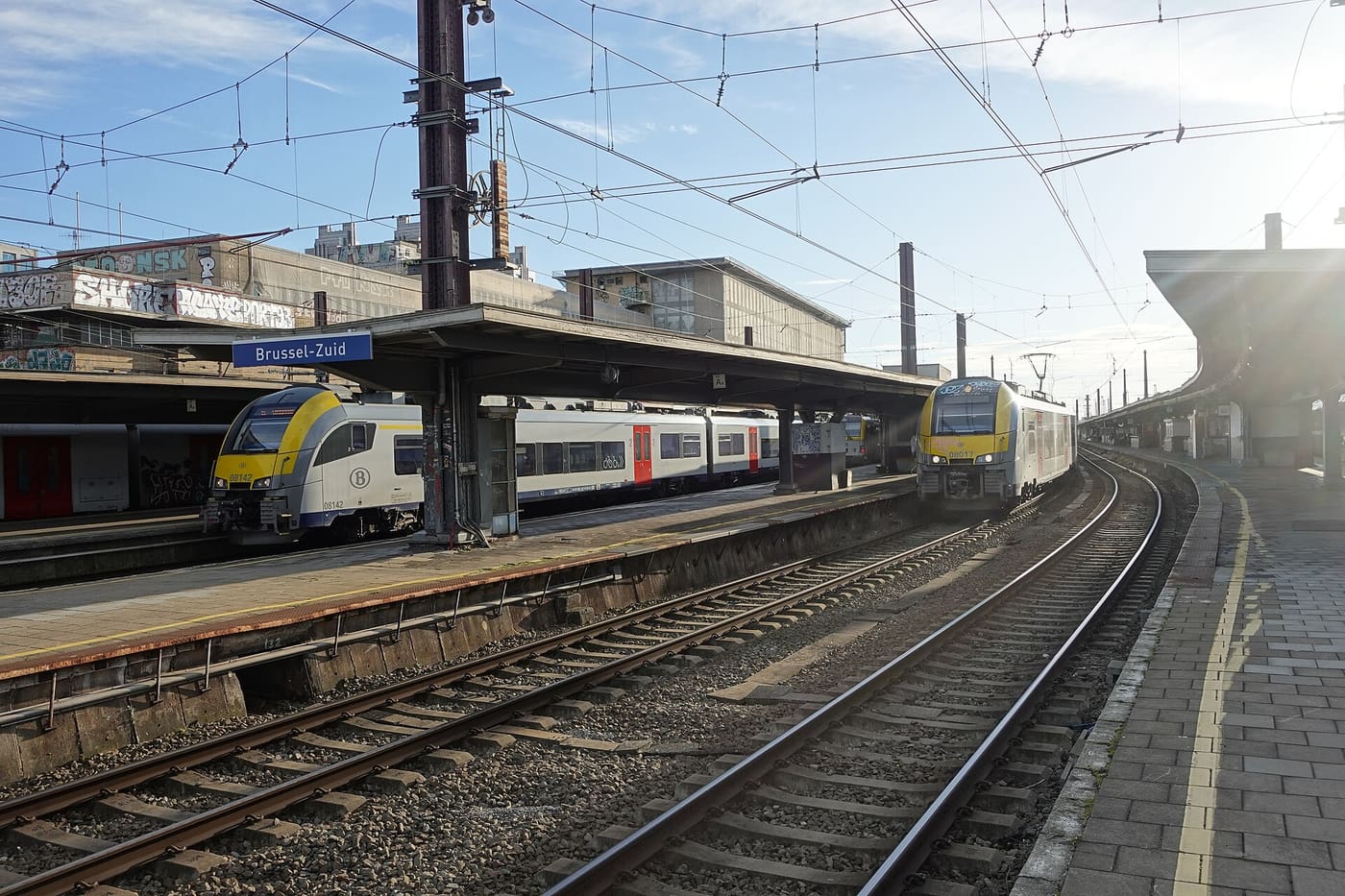
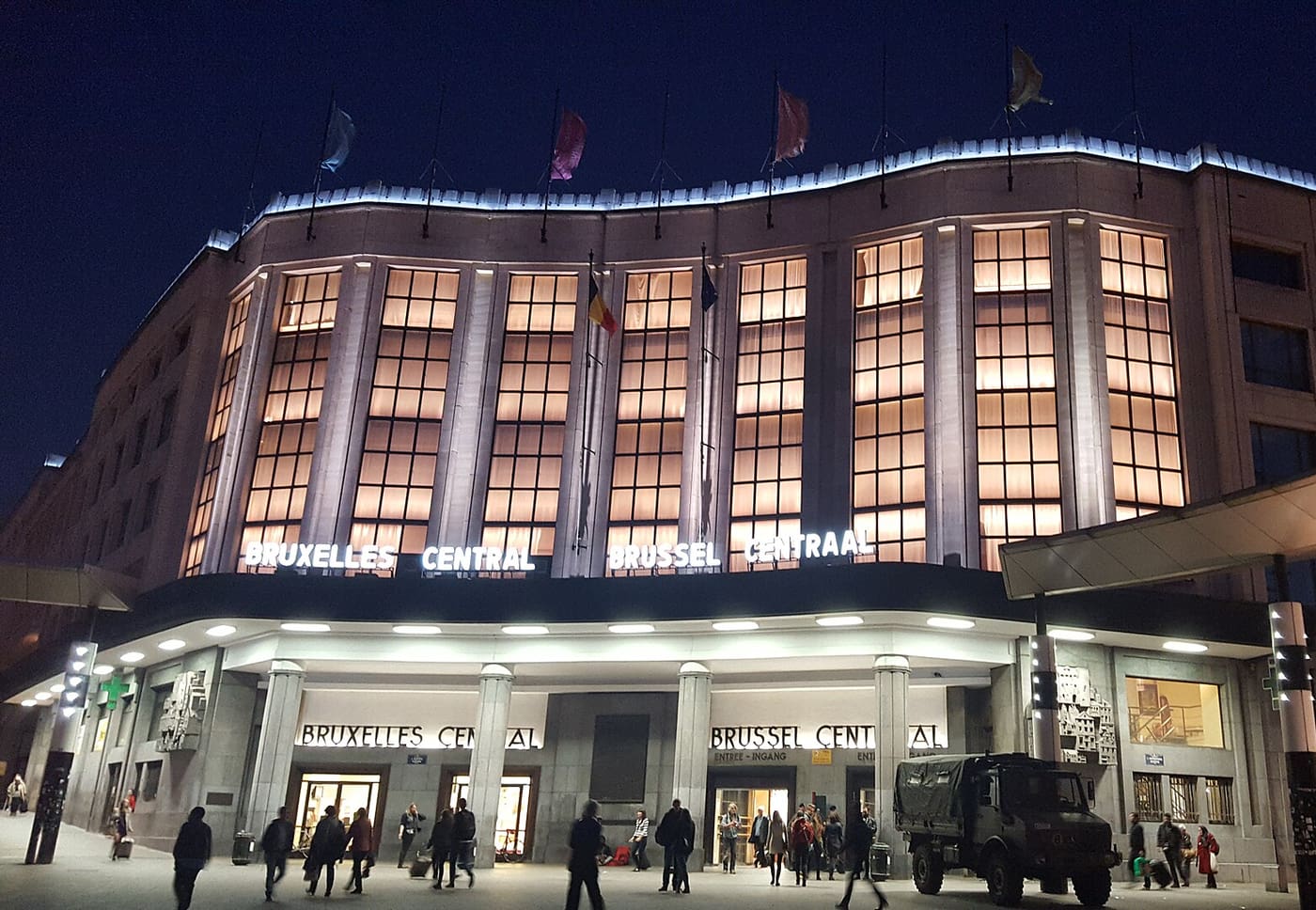
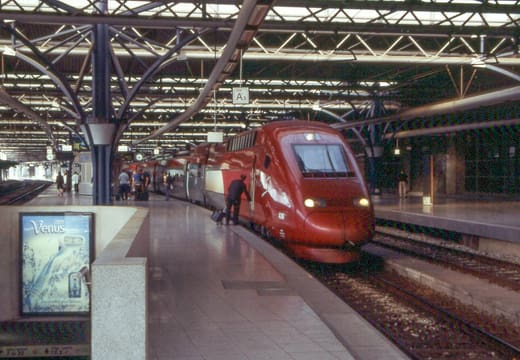
The three main stations are the next trap. Five guides tell you to learn them: Gare Centrale is the closest to the Grand-Place, Gare du Midi is the big international one and Nord is the third. Each has a Dutch name as well (Midi is Zuid, and Nord is Noord), and signs usually show both. One guide describes arriving at Central five minutes before a train that left from Midi.
Midi needs care at night. Five guides say to keep moving around Midi and Nord late in the evening and not to stay near them with luggage.
Getting around: STIB, and your feet
Walking the centre is named by 8 of 17 guides read, and paying with a tapped bank card by 6.
The centre is small. Eight guides say that most of what visitors come for sits within a short walk of the Grand-Place, and two add that you won’t need a day pass unless you plan to cross several areas in one day. The Grand-Place and Îlot Sacré is the usual starting point.
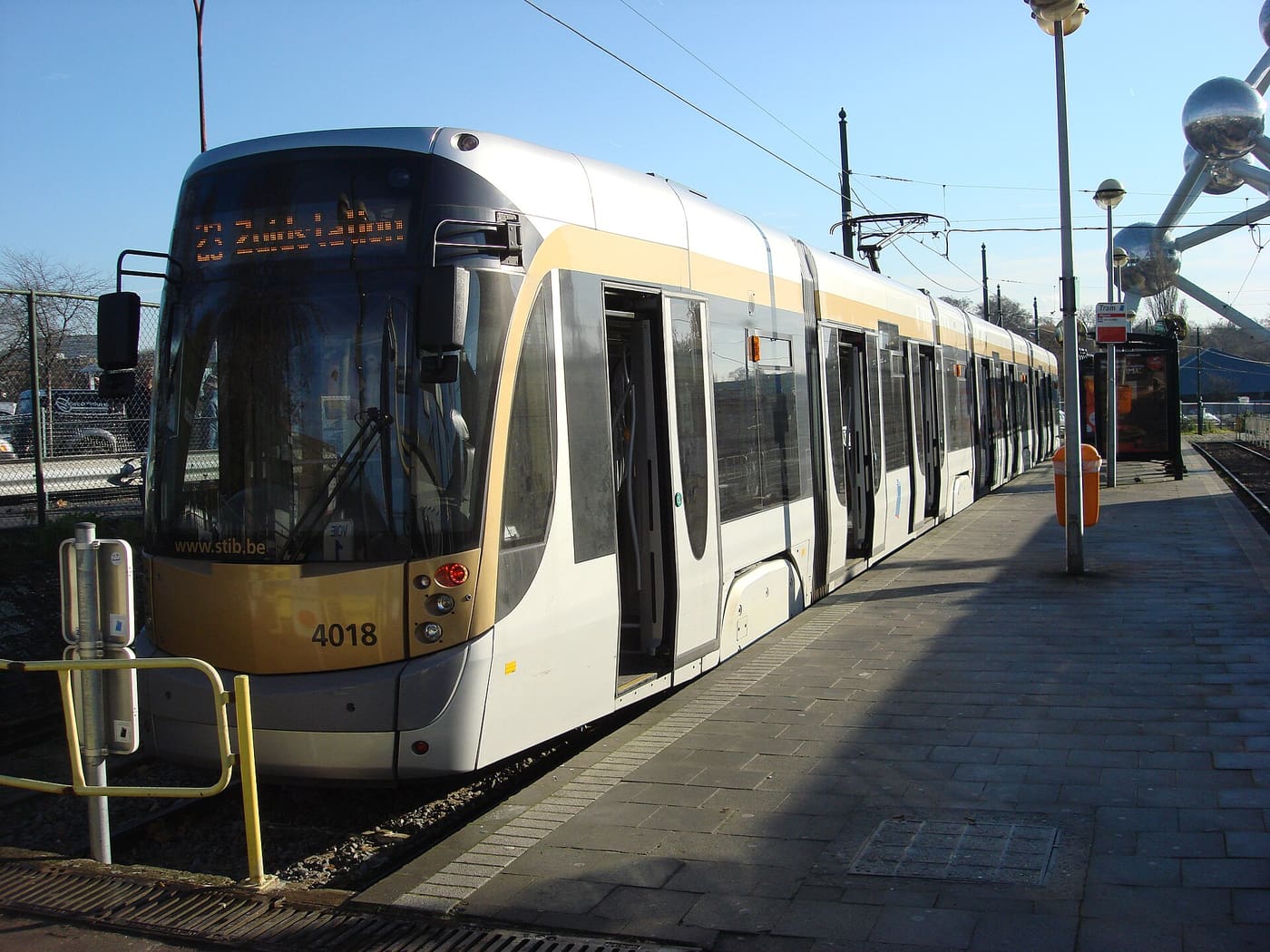
For the rest, STIB runs the metro, trams and buses. Its page on paying with a bank card sets out the rules.
- One journey is €2.40, charged when you tap in at the metro gates or on boarding a bus or tram.
- If you change vehicles within 60 minutes of the first tap, you ride on at no extra cost, but you tap again at each connection.
- The most you pay in a day is €8.50.
- One card or phone validates for one person only, so a group needs a card each.
- Your account needs at least €2.40 available or the card is blocked.
visit.brussels says every STIB bus, tram and metro station has a contactless payment device, and that it takes a contactless debit or credit card or a phone or watch wallet. The same page gives service hours of 06:00 to midnight. After that, the night options are the Noctis buses, which run 11 routes on Friday and Saturday nights from Brussels-Central and accept normal tickets, and Collecto, a shared taxi that’s available from around 23:00 to 6:00 for a flat €6.
Does the Brussels Card pay off?
Named by 10 of 17 guides read. Two put the break-even at three or more museums in a day or two, and one says it isn’t worth it.
The Brussels Card is sold by visit.brussels. Per its FAQ, the card gives free entry to 40 museums and attractions, and costs €41 for 24 hours, €53 for 48 hours and €59 for 72 hours. A STIB add-on costs €9, €16.95 or €21.50 on top. The clock starts the first time you use it at a museum, and you have a year from purchase to activate it. Trains aren’t included, and it is non-refundable.
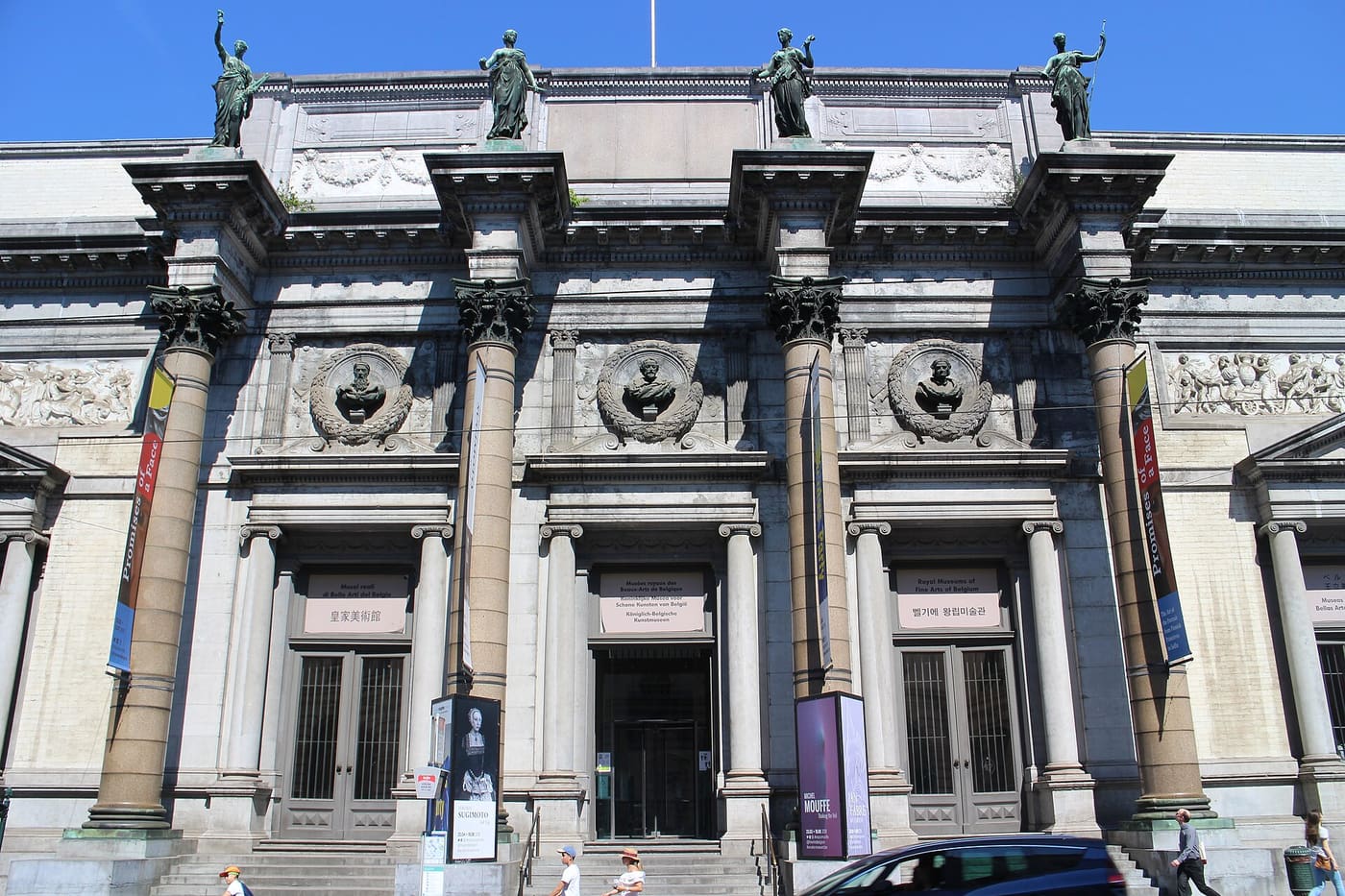
The guides that weigh it land in the same place. If you’ve planned three or more paid museums in a day or two, it can pay back. If your trip is markets, architecture, food and the free sights, it won’t. One goes further and says to skip it. Add up the entry fees on each museum’s own page before you decide.
Languages: French, Dutch and English
French and Dutch on every sign is named by 9 of 17 guides read, and English working fine by 8.
Brussels is officially bilingual, and street names, station names and announcements come in French and Dutch. In practice the guides say French leads in most shops and restaurants. Eight say English will get you through a visit. One guide suggests opening with “Bonjour” before switching to English, and another says people appreciate the effort.
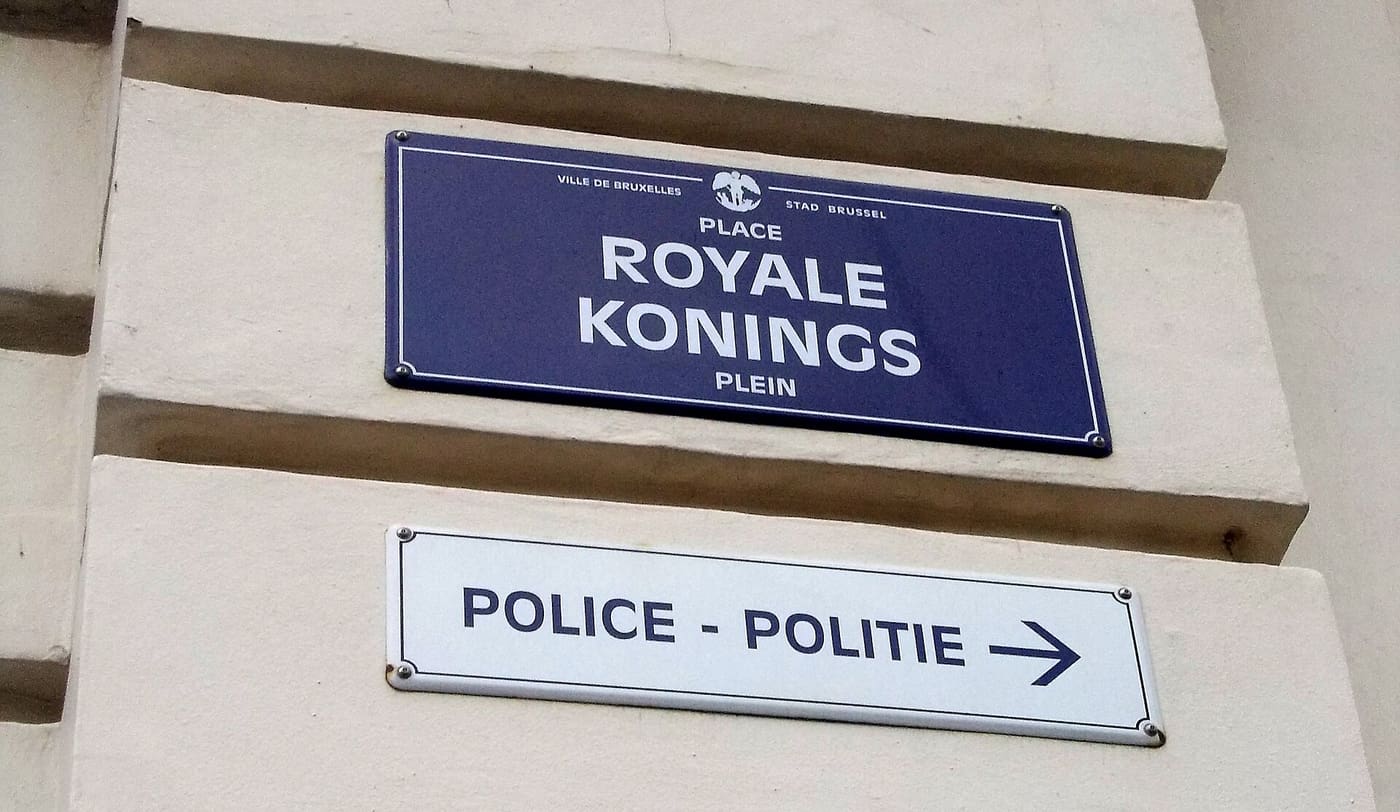
A few names help to have in both languages. Gare du Midi is Zuidstation, Ixelles is Elsene, and Saint-Gilles is Sint-Gillis. Maps and trip planners often show only one of them, so it helps to know both.
Money, tipping and small change
Light tipping is described by 5 of 17 guides read, cards with a little cash by 4 and toilet coins by 4.
On tipping, visit.brussels’ money page says service is always included in the bill. It adds that tipping is still customary in restaurants and bars, that 5 to 10 percent is acceptable and that it isn’t mandatory. The five guides that mention tipping say about the same, with rounding up the usual move. One says €1 or €2 for good service is plenty.
The same page says many shops and restaurants take credit cards but not all, so ask before you order or carry enough for the bill. It also notes that most don’t accept €200 or €500 notes. Four guides agree that cards work nearly everywhere and a little cash helps for markets and small cafés.
Toilets in stations, cafés and malls often have an attendant, and four guides say to keep a coin or two. Amounts quoted run from about €0.20 to €1.
Opening days
Skipping museums on Monday is named by 3 of 17 guides read, which makes it a less common pick, but it’s the one that catches people out.
Opening days vary a lot, so check the page of the place you want. These come from each museum’s own page.
- The Comics Art Museum opens Tuesday to Sunday from 10:00 to 18:00, with last tickets at 17:00. It opens on Mondays only in July and August, per its page, and closes on 25 December and 1 January.
- The Musical Instruments Museum says it is open every day except Monday, per its page.
- The Museum of Natural Sciences lists Tuesday to Friday from 9:30 to 17:00 and Saturday and Sunday from 10:00 to 18:00, per its page. It shows no Monday hours.
- The Magritte House lists Wednesday to Friday from 13:00 to 18:00 and Saturday and Sunday from 10:00 to 18:00, per its page.
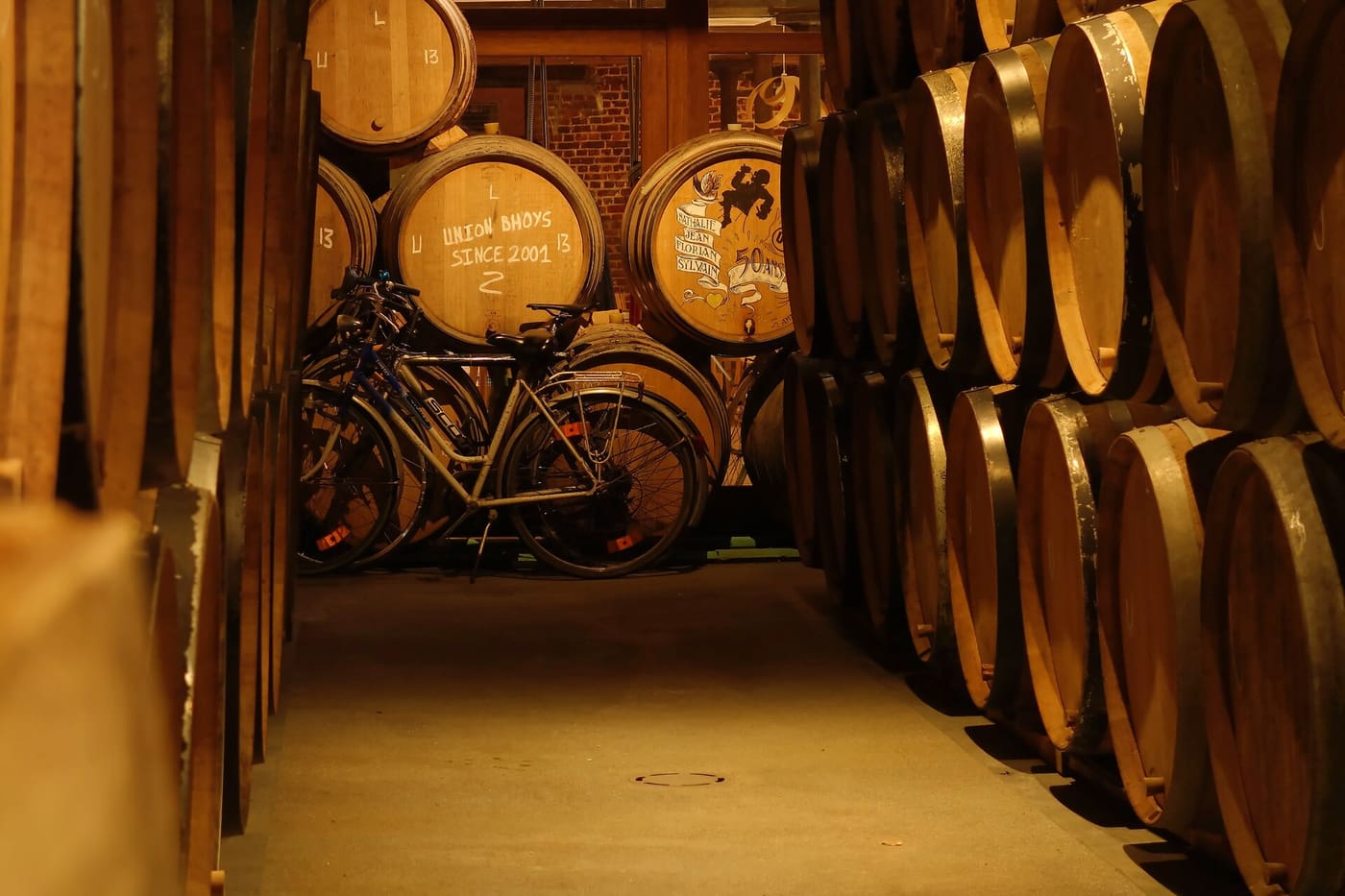
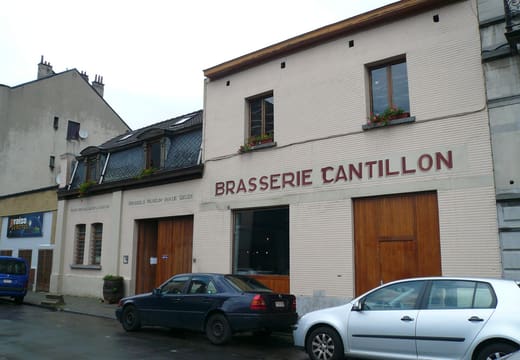
- The Cantillon Brewery is a Monday exception. It opens Monday, Tuesday, Thursday, Friday and Saturday from 10:00 to 16:00 (the shop stays open to 17:00) and is closed on Wednesday, Sunday and public holidays, per its page.
Staying safe
Pickpockets are named by 9 of 17 guides read, and care around Midi and Nord by 5.
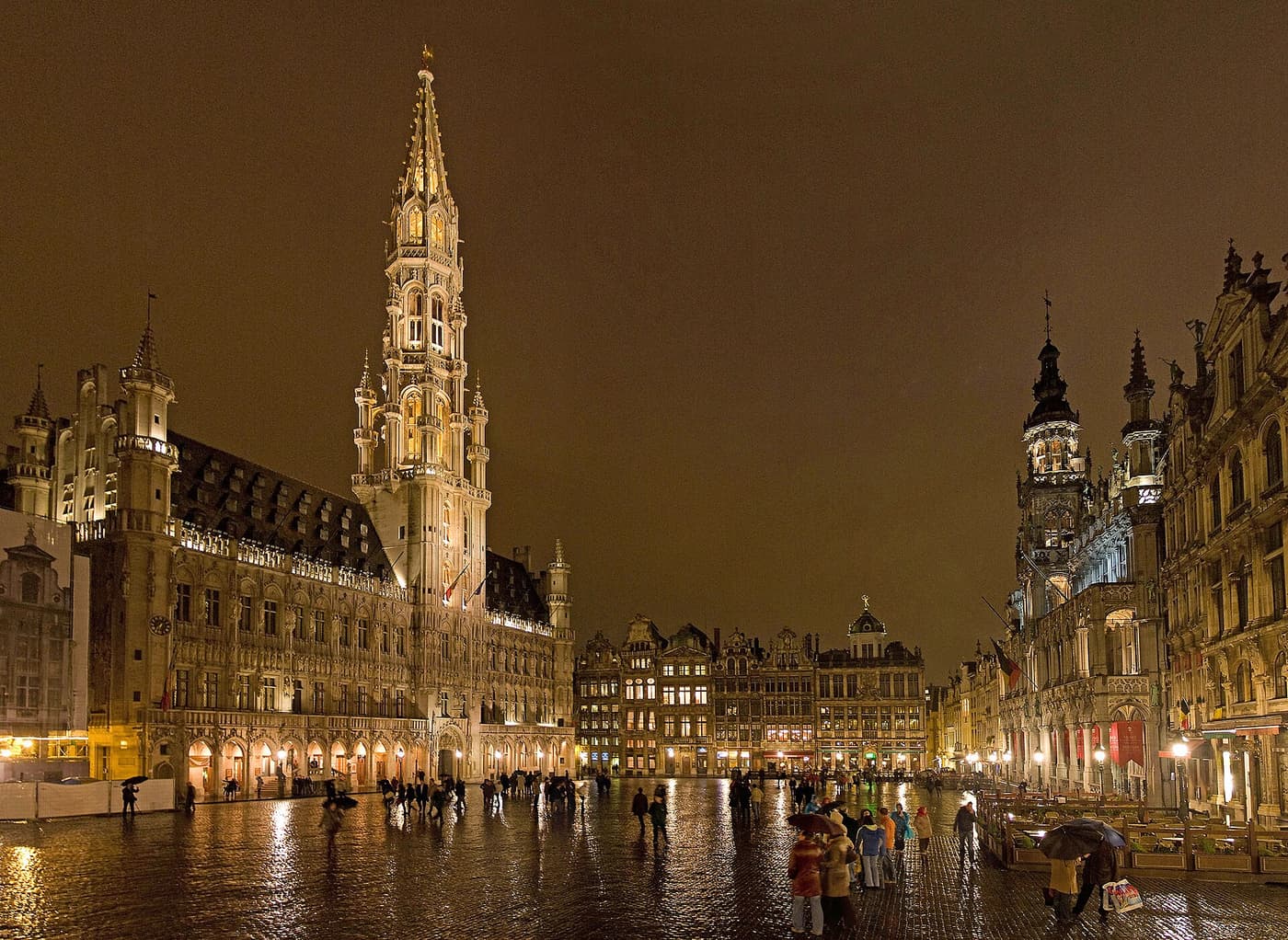
Nine guides say the main risk to a visitor is petty theft, not violence, and they’re consistent about where it happens. They place it around the Grand-Place and Manneken-Pis, on crowded metro trains and trams, and in the big stations. The advice is the usual kind. Keep a bag closed in front of you and valuables out of sight, and treat anyone who stops you for a chat as a possible distraction. One guide adds that carrying less cash and fewer cards helps.
visit.brussels’ safety page gives no pickpocket or scam advice, so what’s above rests on the guides. It does list the numbers you’ll need. 112 is the free European emergency number for fire, medical or police help, and 101 is the police. The card-blocking line, Card Stop, is +32 78 170 170, and an on-call doctor is on 1733. Crimes can be reported at police.be.
Rain, whatever the forecast
Rain gear is advised by 6 of 17 guides read.
Six guides say to carry an umbrella or a light waterproof even when the forecast is good, in summer too. For month by month figures, see Brussels weather by month.
Before you go
- Look at your booking for BRU or CRL, then plan the train or the shuttle to match.
- Tap a bank card on STIB, and expect to pay €2.40 a ride up to €8.50 a day.
- Learn the Dutch name of Midi, and don’t board near Nord late at night with your bags in view.
- Check each museum’s page for its closing day, and remember the Monday exceptions.
- Add up museum fees before you buy a Brussels Card.
- Keep a few coins for toilets and small cafés.
Sources: 17 guides in English, Spanish, French and German, and 12 official pages
Guides in English
- 20+ Brussels Travel Tips & Tricks: Must-Knows Before You VisitHappy to Wander
- 11 things to know before traveling to BrusselsLonely Planet
- Brussels Transport Tips: From Airport to City Centre and MoreLifeguin
- Getting Around Brussels: Transport Guide 2026Nomado Travel
- Top 10 Belgium travel hacksThe Brussels Times
- Brussels Public Transport Guide 2026: Navigating the CityItiMaker Travel Blog
- Essential Brussels Travel Tips for an Unforgettable ExperienceCity Unscripted
- 2 Days in Brussels: Our Real Itinerary, Tips & Honest PicksLorenziGo
- Is Brussels Safe? (How to Visit SAFELY)The Broke Backpacker
- Essential information and facts for travelling to BelgiumRough Guides
- 10 Mistakes To Avoid In Brussels And How To Avoid ThemGamin Traveler
- Brussels Travel Guide 2026Takeoff
Guides in Spanish
- 10 consejos para viajar a Bruselas imprescindiblesViajeros Callejeros
- Consejos para viajar a Bruselas por libreMochileando por el Mundo
Guides in French
- Voyage en solo à Bruxelles : sécurité, logement et bons plansGeneration Voyage
- Bruxelles est-elle sûre ? Conseils pratiquesNomado Travel
Guides in German
- Reiseführer Brüssel 2026The World Travel Index
Official pages
- STIB, pay with your bank cardstib-mivb.be
- visit.brussels, public transportvisit.brussels
- visit.brussels, getting aroundvisit.brussels
- visit.brussels, how to get to Brusselsvisit.brussels
- visit.brussels, Brussels Card FAQvisit.brussels
- visit.brussels, moneyvisit.brussels
- visit.brussels, emergency and securityvisit.brussels
- Comics Art Museumcbbd.be
- Musical Instruments Museum, practical infomim.be
- Museum of Natural Sciencesnaturalsciences.be
- Magritte Museum (Magritte House)magrittemuseum.be
- Cantillon Brewerycantillon.be
Places in this guide
Photos show the actual places, licensed under Creative Commons and credited to their photographers.
Find hotels in Brussels
Browse live availability and compare prices for your dates.
See hotels near Brussels on Booking.comPrices are for the night of Saturday 14 November. You can change the dates on Booking.com. If you book, Roam Brussels earns a small commission from Stay22 at no extra cost to you.